Date: June 5 (Wed), 2013, fine
Place: Mt. Ariake, Tsushima, Nagasaki, Japan
Course: Kanaishikan – Mt. Ariake – Kanaishikan – Manzeki-seto – Nagisanoyu (Hot Spring) – Miudahama Beach – Hitakatsu Port – Busan – Daejeon
I left the hotel at 5:12. I arrived at the stone walls of Kanaishi Castle at 5:18. I reached at Point 2 at 5:31.
There was a branch point between Point 2 and Point 3. The main trail was to turn left, but I went straight, so I went to the ruins of Shimizu Castle.
Shimizu Castle was built in 1591 A.D. when Hideyoshi ordered to invade Korea. It was a mountain castle and we could see only stone walls now.
I could see the bay and the sea from the ruins. But the trail was not clear. I had to walk in the bush for about 10 minutes, then I came to the main trail.
I arrived at Point 5 at 5:54, then at Point 6 at 6:02. I saw a man running down from the top. He seemed to do trail-marathon.
I arrived at Point 10 from where, there was only 150 meters to the top of the mountain at 6:30. There were only low trees there. Among these trees, I saw the blossoms of “Chionanthus retusus” or “Hitotsubatago” in Japanese.
I arrived at the top of Mt. Ariake at 6:33. There was no stone monument, but only a wooden guide post and at the foot of the post, there was a small plate saying “The top of Mt. Ariake.”
Now I began descending the mountain. I came down to Point 1 at 7:12. I came back to Kanaishikan at 7:25. So, I walked 6 km distance for 2 hours and 10 minutes.
I had breakfast at the hotel. It was a buffei style. The guide spoke to me when I was having the breakfast. She guided the rest of all sightseers for shopping. I took a rest at my hotel room and joined them at 10 am.
The bus left the parking lot at 10:10. We headed for the upper island of Tsushima.
We arrived at Manzeki-Seto, a man-made canal made in 1900. The Tsushima Island is separated by this canal; the upper island and the lower island.
We got off from the bus and walked over the bridge. Then we went to a nice restaurant “Kaz” by the beach.
It was a Japanese lunch with sashimi and fried food. I was impressed by the big “koinobori” or "carp streamer."
After having lunch, we went to a hot-spring facilities named “Nagisanoyu.” It was on the hill and could see the sea from the facilities.
We had 90 minute-rest at the hotsping. Then we went to Miuda Beach. It is a beautiful beach with white sand.
Miuda Beach was the last sightseeing spot. We went to Hidakatsu Port, then our ship left at 3:40 pm, arriving at Busan at 4:55 pm.
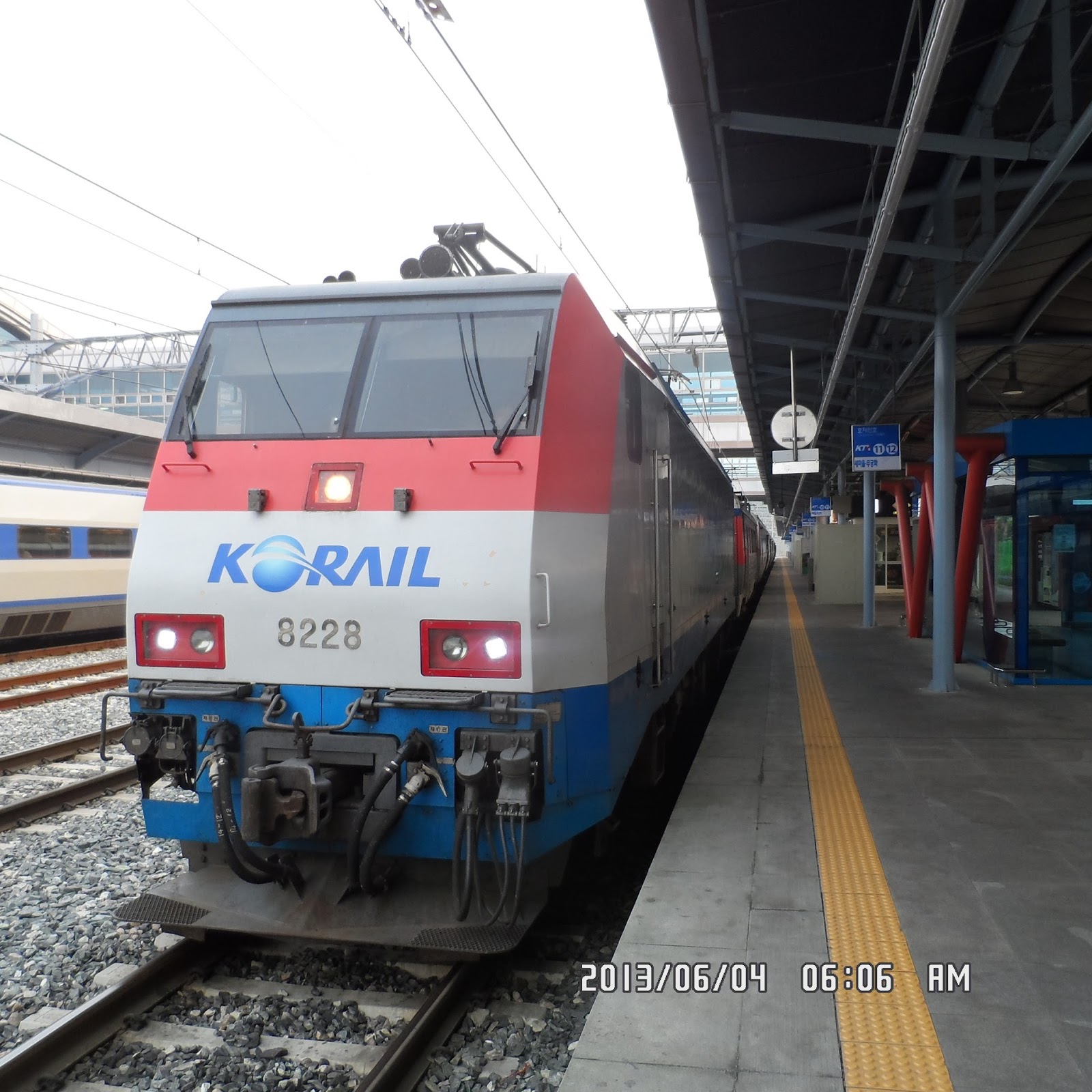
I took 5:30 KTX and came back to Deajeon at 7:05 pm.
It was a nice trip to Tsushima from Korea. As for the hiking, it was my 26th hike for this year.
----------------------------------------------------------------------------------------------------------------
分類:旅行、日本、九州
旅行月日:2013年6月5日(水)晴れ
旅行地:日本、長崎県、対馬
観光コース:金石館←→有明山(有明山登山)、~万関瀬戸~渚の湯~三宇田浜海水浴場~比田勝港→釜山→大田
朝4時に起きようと思っていたが、目が覚めたら5時だった。急いで支度をして有明山を目指した。
金石館を出たのは5時12分だった。金石城の城壁の分かれ目に5時18分、登り口から300m登った②地点に5時31分に到着した。
ここから③地点の間に分岐点があり、有明山へは左折しなければならないところを直進してしまい、清水城跡へ入ってしまった。
こちらは登山路が明確でなく、文字通り崩れた城跡を進むと小高い丘に出る。これが清水山で、麓の港が展望できる。ここから有明山山頂へ続く本来の登山路へ出るまでややヤブコギ的なトレッキングになった。
しかし時間にして10分そこそこでヒノキ林の林間を行く快適な登山路に出た。中間よりやや登山口よりの⑤地点には5時54分。
中間を過ぎた⑥地点は6時2分に通過した。このあたりから登山道は広くなり、ますます快適で、途中、トレイルマラソンで下ってくる男性とすれちがった。
ゴールまであと150mという⑩地点には6時半に到達。ここから山頂までは高木がほとんどなく、まだ若いヒトツバタゴが白い花をつけていた。
山頂には石標のたぐいはなく、三方向の方面が書かれた里程標があり、足元に「有明山山頂」の小さなプレートがあった。
時刻は6時33分。里程標の上にカメラを置いて認証写真を1枚撮って、元来た道を下山開始。
登りの時は通らなかった①地点は7時12分に通過して、金石館には7時25分に戻った。
約6キロの行程を2時間10分強で完走したから有明山のコースは大変楽なコースだった。
[Kanaishi Castle, 復元された金石城、복원 된 카나이시성]
朝食は7時から始まっていて、ビュッフェスタイルだ。食べている最中にガイドのユ・ヘリンが声をかけてきた。
彼女は韓国人観光客を引率して買い物へ。私は部屋に戻ってパソコン作業をした。バスへ集合は10時ということだったが、皆がバスに戻ってきたのは10時10分過ぎだった。
昨日楽しんだ一番前の席は日傘が置いてあり、アジュンマ二人がすでに占有していた。かまわず座っているとガイドが来て、座席は日替わりで先着順だと言う。ということは朝すでにバスでどこかへ出かけたらしい。
いったんバスの中間の座席に座ったが、すぐにガイドが彼女の席すなわちドライバーの後ろの最上級の席を譲ってくれた。
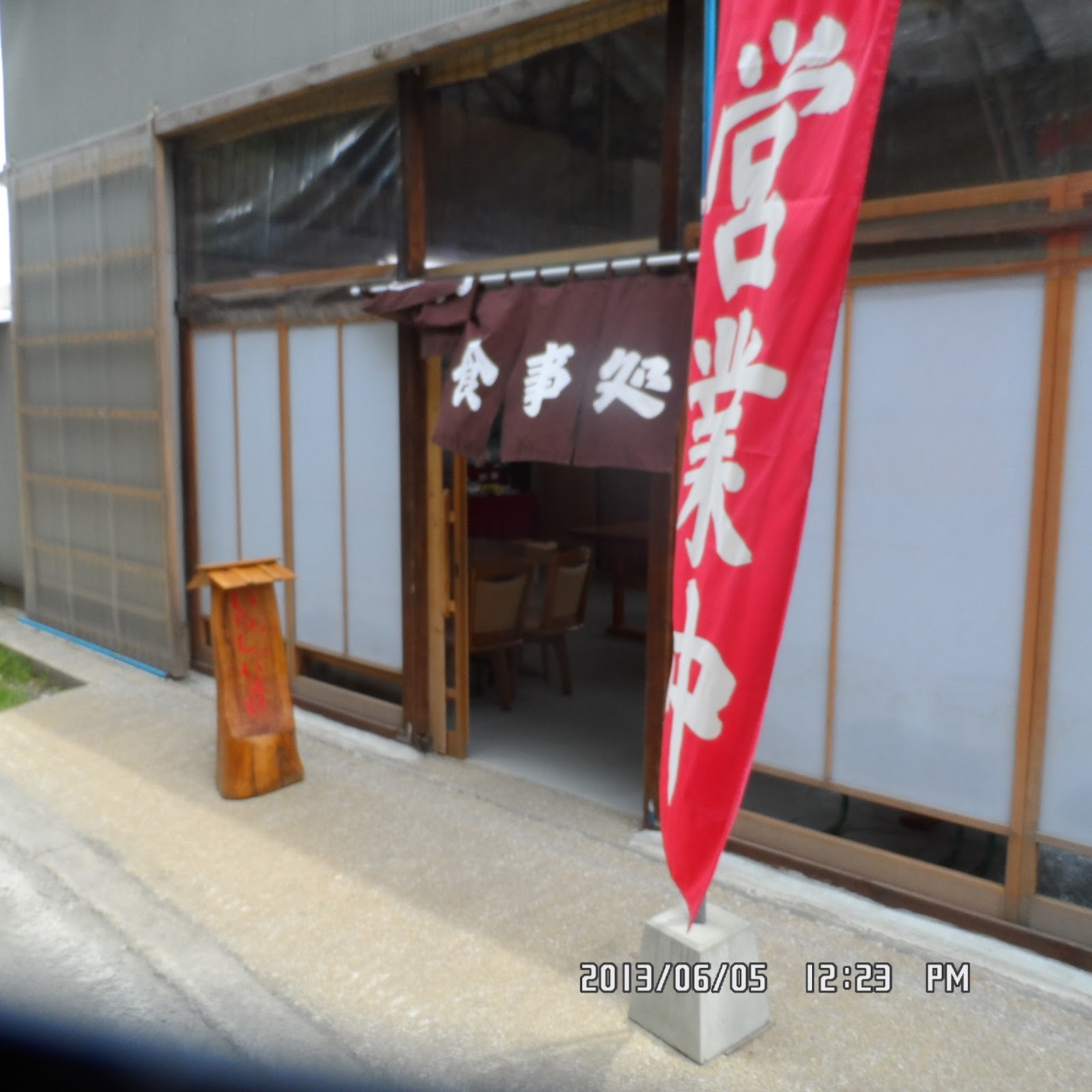
午前中は観光はなく、ひたすら上島へ向かって走った。途中、島を削って上下に分けた万関瀬戸に架かった橋を徒歩で渡り、すぐ上島のとある入り江の趣のあるレストランに入り、昼食になった。
メニューは刺身と揚げ物でビールを頼んだらギンギンに冷えた大瓶で気持ち良く飲んだ。昼食レストランでは大きなこいのぼりの飾りが印象的だった。
昼食後は「渚の湯」という温泉で1時間半の温泉体験。無色無臭の温泉なので銭湯との違いがはっきりしないが湯質最高という話を信じ白湯、気泡湯、寝湯をそれぞれ2回ずつ楽しんだ。
渚の湯のあとはそぐそばの三宇田浜海水浴場で休憩後、港へ向かった。現地ガイドへのチップ2万ウォンというのは現地徴収と言われているので無条件にガイドが徴収した。40人から2万ウォンずつで80万ウォンの収入は悪くない。
慶州のガイドの大吉の10万ウォンとはえらい違いだ。きっとガイドにはランク付けがあってユ・ヘリンは最上級なのだろう。
比田勝港は3時40分に出航、釜山には4時55分に到着した。ハナツアーがとってくれたKTXは5時出発で間に合わず、5時30分のKTXで大田に向かった。
大田には7時5分に到着。新城洞についたのは8時過ぎだった。ジムに電話してスタムティッシュは休んだ。
I like hiking very much. I used to go hiking with a Korean hiking club named “AhToSan.” This blog introduces mostly my hiking activities in Korea and Japan, and Sydney in Australia. As of January 2020, I live in Sydney suburb. I go Blue Mountains and bush walk in Sydney area. 私は2003年から2014年まで韓国の大田(テジョン)に住んだ日本人である。11年間、週末は主に「アトサン山岳会」に参加した。14年4月に帰国したが、2020年以降はおもにシドニーで暮らし、時折、日本へ帰国する程度である。したがって最近の記事はSR(Sydney Report)としてブルーマウンテンのトレッキングを中心に書いている。
About pictures/当ブログ内の写真について/당 블로그내의 사진에 대해서
Most of the pictures in this blog are taken by my camera, yet some of them were downloaded from the website of the hiking club. If you click any pictures, they become the original size.
当ブログ内の写真の大部分は筆者のカメラで撮影したものですが、一部、山岳会の共有写真からダウンロードしたものを含みます。すべて、各写真をクリックすれば、元のサイズに拡大します。
당 블로그내 사진의 대부분은 필자의 카메라로 촬영한 것입니다만 일부 산악회 공유 사진으로부터 다운한 것도 포함합니다. 모두 각 사진을 클릭하면, 원래 사이즈에 확대합니다.
当ブログ内の写真の大部分は筆者のカメラで撮影したものですが、一部、山岳会の共有写真からダウンロードしたものを含みます。すべて、各写真をクリックすれば、元のサイズに拡大します。
당 블로그내 사진의 대부분은 필자의 카메라로 촬영한 것입니다만 일부 산악회 공유 사진으로부터 다운한 것도 포함합니다. 모두 각 사진을 클릭하면, 원래 사이즈에 확대합니다.
2013年7月29日月曜日
2013年7月27日土曜日
130604 The first day of Tsushima(対馬대마도) Trip
Date: June 4, 2013 (Tue), Fine
Sightseeing Course: Hitakatsu Port – Korea Observatory – Eboshidake Observatory – Wadatsumi Shrine - Tsushima Museum of History and Folklore – Samurai Residence Street – Izuhara Hachiman Shrine – Shuzenji Temple – Manrokaku – Hotel Kanaishikan
Partners: About 40 Koreans
During this semester, I have classes on Monday and Friday. I have never been to Tsushima and I understand that Tshushima has a long deep relationship with Korea. So I decided to join a guided-tour planed by a Korean agent, “Hana Tour.” It is a one-night two-days tour with a Korean speaking guide.
I went to Busan by 8:17 using a taxi and KTX and hurried to International Terminal of Busan Port by 8:30 am. That was the time to meet the tour guide. We were on board at 8:50 at Busan Port.
It took only 70 minutes from Busan to Hitakatsu Port in Tsushima by the Beetle. We arrived at Hitakatsu Port at 10:40.
Since I went through the exit for Japanese, and there were a few Japanese, I could get through the customs quite easily, but not for Korean sightseers. It took nearly one hour to clear all of them. We had lunch at a sushi restaurant near the port.
The menu were very simple: udon noodle and cheapest shushi (oinarisan and norimaki).
Then we went to the first sightseeing spot: Korea Observatory. The direct distance between Korea and Tsushima is only 49.5 km (cf, Kyushu and Tsushima is 132 km). So, Koreans who came to Tsushima, may come to this observatory and see the Korean Peninsula.
When we came to this observatory, the sky or the air between Korean and Tsushima was not clear, so we could not see the peninsula. (I could see Tsushima from Busan when I guided a group of Japanese on April 7 this year.)
[Memorial Stone for those who lost their lives at the sea, 112 Korean translators and officials who were bound to Japan 300 years ago, 朝鮮国訳官及び従者の慰霊塔、조선국 통역관및 수행자들의 위령탑]
After visiting the observatory, we headed for the lower island (Tsushima consists of the main island and about 100 small islands and/or islets. The main island was devided into three parts by two man-made channels about the middle. The northen island is called “Kamijima” or upper island, while the southern island called “Shimojima” or lower island.
Hitakatsu Port is the northern tip of “Kamijima” and the town called Itsuhara is southern most of “Shimojima.” The distance is about 82 km. The guide asked the driver to go through “Momiji” street. It was really a nice street with maple trees along the street.
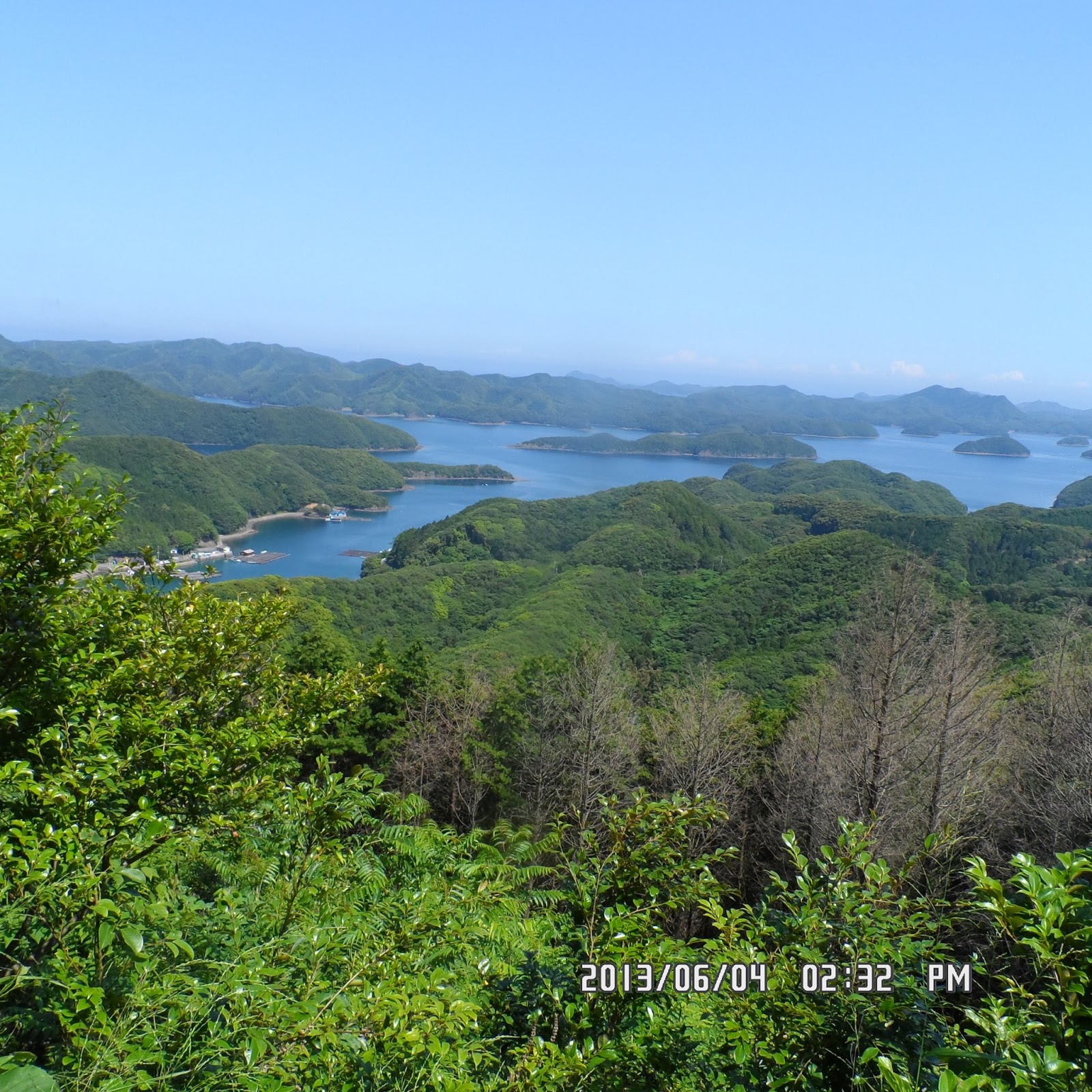
The next sightseeing spot was “Eboshidake Observatory” where we could have panorama views of Aso Bay(浅茅湾). Aso Bay is famous for its deeply-indented coastline. The guide said it was more beautiful than Ha Long Bay in Viet Nam.
I have never been Ha Long Bay, so I cannot compare, but it was a beautiful scene.
We all walked to the parking lot where there were many azalea flowers in full broom. I saw some Swallowtail butterflies flying around the flowers.
The next spot was “Watatsumi Shrine” where “Toyotama Hime” was enshrined. According to “Kojiki” the oldest extant chronicle in Japan, Toyotama Hime was the daughter of “Sea God” and grandmother of the first emperor “Jinmu.”
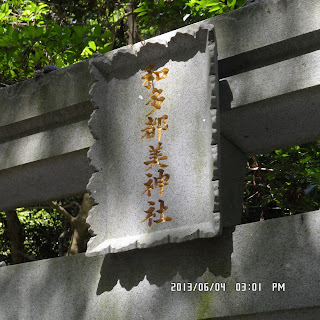
The Korean guide, “Yu Hejin” must have studied Japanese culture and history very well. She explained the story of Umihiko-Yamahiko, Kojiki, and Toyotamahime, etc. very well.
We visited the tomb of Toyotama Hime. I saw many Korean currencies devoted to the tomb.
There are five “torii” or “shrine gates”, three of them on land, and two of them in the sea.
After visiting the shrine, we went into “Shimojima” or the lower island, and headed for Itsuhara, the largest city in Tsushima.
We went to The museum of historical documents first. There are about 300,000 documents being kept by the Sou family. The Sou family had been the ruler of the islands during the feudal era.
After visiting the museum, we went to Hachiman Shrine via Bukeyashiki Street.
We could see the houses and walls of feudal era along “Bukeyashiki Street.”
After “Bukeyashiki Street” we visited Izuhara Hachiman Shrine.
According to Wikipedia, Empress Jingu visited “Shimizuyama” after invading Korean peninsula in AD 200, and enshrined the rock on the mountain. Later, Emperor Tenmu ordered to build a shrine at the foot of Shimizuyama and that was the origin of the shrine. There are about 44,000 Hachiman Shrine in Japan. There is a famous Tsurugaoka Hachiman Shrine in Kamakura, too.
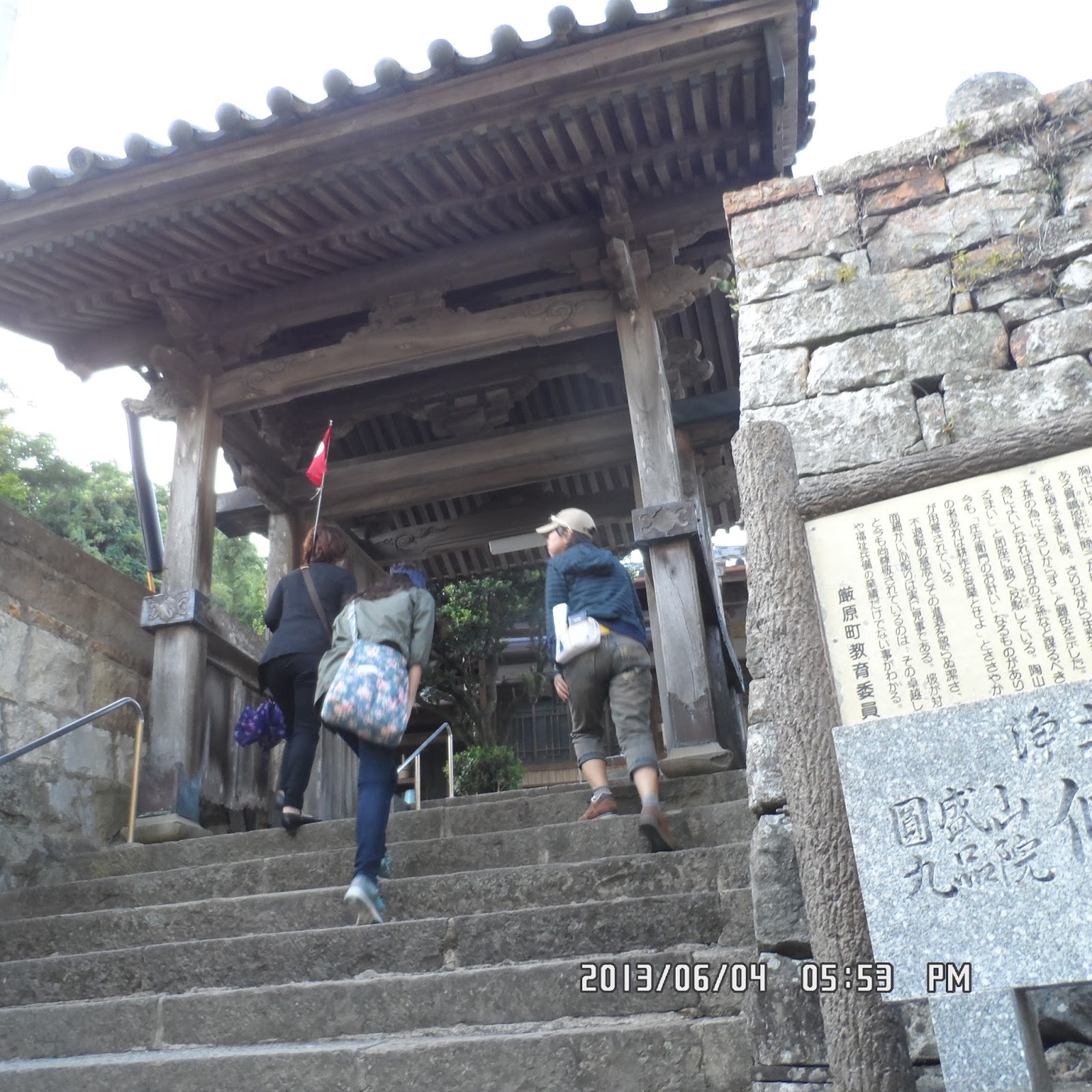
After visiting Izuhara Hachiman, the guide took us to “Shuzenji” Temple where there was a memorial stone for “ Choi Ik-hyun.”
http://en.wikipedia.org/wiki/Choi_Ik-hyun
Choi Ik-hyun was one of Korean Joseon Dynasty Neo-Confucianism scholars, who fought against Japanese rule of Korean peninsula and caught and sent to Tsushima. He died of hunger after refusing to eat and food in the prison.
The Shuzenji Temple was the last sightseeing spot of the day. We had supper at Manshoro Restaurant, and I was allocated to a nice hotel room at Kanaishikan apart from other Korean guests.
It was a twin room of single use. So, it was spacious, but there was no refrigerator in the room. Otherwise, it was nice, but I could not use internet in the room.
------------------------------------------------------------------------------------------------
分類:旅行、日本、九州
旅行月日:2013年6月4日(火)晴れ
旅行地:日本、長崎県、対馬
観光コース:比田勝港~韓国展望台~烏帽子岳展望台~和多都美神社~対馬歴史民俗資料館~武家屋敷~厳原八幡宮~修善寺~万楼閣(夕食)~ホテル金石館(対馬市厳原)
同行者:韓国人観光客約40人
授業の無い火・水を利用して一泊二日の韓国人向けのツアー対馬に行くことにした。
新城洞から6時半すぎにタクシーに乗り大田駅まで17分1万500ウォンだった。駅には6時前に到着して30分あまり列車の到着を待った。
6:32発のKTXは8:17の時間通りに到着した。駅前のタクシー乗り場でタクシーに乗り国際旅客ターミナルまで10分弱。ちょうどミーティング時間の8:30にハナツアーの添乗員の前に到着した。
8:50の乗船手続き開始。釜関フェリーと同じ入り口を通ってから長い通路をとおり、ビートルに乗船した。
乗客数はおよそ300人。乗船時間は1時間10分で、9時半出発10時40分、比田勝港に到着した。
税関窓口は2つしかなく、長い列ができたが、日本人は優先ということで、真っ先に税関を通過した。ガイドがバスの番号「61」を通知してくれたのですぐ自分のバスはわかった。しかし、残りのツアー客が時間がかかる。全員がバスに乗ったのは11時30分ごろだった。
昼食は比田勝港のすぐそばの鮨屋の二階で、うどんとお稲荷さんと海苔巻という簡単なもの。
昼食後の最初のスポットは上島(かみじま)の北端にある韓国展望台。展望台付近にはスズメバチの巣があるらしく、注意せよとの警告があったが、駆除はむずかしいのだろうか。
この日は展望台から釜山はみえなかった。韓国展望台のあとはひたすら南の下島へ向かう。
もみじ街道とよばれる杉林の中に道路に沿って紅葉が植えられている街道を通った。ここはガイドが推奨するとおり気持ちの良い街道で、冷房を切って窓を開けて走った。
次のスポットは上島と下島の中間に位置する浅茅湾が展望できる烏帽子岳展望台で、展望台近くの駐車場からかなり急な階段を10分ほど上らねばならない。
展望台からの浅茅湾の展望はじつにすばらしい。リアス式海岸のため入り組んだ海岸線と島々のおりなす風景が美しい。
徒歩で下った先の広場にバスが停まっていて観光客を待っていた。この駐車場の花壇はツツジが満開で、アゲハチョウが舞っていた。
展望台からつづらおりの道路を下った海岸に「和多都美神社」という神社があり、森の中の大木の下に豊玉姫之墳墓と書かれた丸っぽい石があった。
また、ここを訪れる観光客はほとんどが韓国人なのか、お賽銭はみな韓国のコインや千ウォン札だった。
ここでガイドは「海彦山彦」の話をしてくれた。山彦が海神の娘、豊玉姫(トヨタマヒメ)と結婚し、生まれた4人の子供の末っ子が神武天皇の父になるという。
ガイドの「ユ・ヘジン」はよく日本文化を研究していて相撲の手形切りが「心」という字を表しているなど、忘れていたことを思い出させてくれた。
ここの神社は5連の鳥居があり、陸に3つ、海に2つと続いている。
この神社見学の後は下島に入り、厳原へ向かった。厳原ではバスを降り、もっぱら徒歩で各スポットを廻った。
最初は歴史資料館で、このすぐ横が有明山の登山路の入り口になっていた。
歴史資料館の次は武家屋敷を経由して厳原八幡神社で、その由来はウィキペディアによると「神功皇后が三韓征伐からの帰途、対馬の清水山に行啓し、この山は神霊が宿る山であるとして山頂に磐境を設け、神鏡と幣帛を置いて天神地祇を祀ったという。655年(白鳳6年)、天武天皇の命により清水山の麓に社殿を造営して八幡神を祀ったのに始まる。」
神社見学の次は「修善寺」という伊豆と同じ名前の寺を訪問した。ここには七甲山に銅像が建てられていた朝鮮末期の忠臣で対馬で餓死した「崔益鉉」の碑があった。
この「修善寺」訪問の後、旅館「万松楼」で夕食。夕食はかなり豪華にみえる「石焼料理」で、私は600円のビールを1本たのんだ。
夕食後ホテルにチェックインだが、ガイドは私に配慮して、韓国人たちのホテルとは別の金石館にしてくれた。
かなり広めのツインルームでよかったが、冷蔵庫がないことと、LANケーブルを借りてパソコンにつないでもインターネットができなかったのが不満だった。
Date: June 4, 2013 (Tue), Fine
Sightseeing Course: Hitakatsu Port – Korea Observatory – Eboshidake Observatory – Wadatsumi Shrine - Tsushima Museum of History and Folklore – Samurai Residence Street – Izuhara Hachiman Shrine – Shuzenji Temple – Manrokaku – Hotel Kanaishikan
Partners: About 40 Koreans
During this semester, I have classes on Monday and Friday. I have never been to Tsushima and I understand that Tshushima has a long deep relationship with Korea. So I decided to join a guided-tour planed by a Korean agent, “Hana Tour.” It is a one-night two-days tour with a Korean speaking guide.
I went to Busan by 8:17 using a taxi and KTX and hurried to International Terminal of Busan Port by 8:30 am. That was the time to meet the tour guide. We were on board at 8:50 at Busan Port.
It took only 70 minutes from Busan to Hitakatsu Port in Tsushima by the Beetle. We arrived at Hitakatsu Port at 10:40.
Since I went through the exit for Japanese, and there were a few Japanese, I could get through the customs quite easily, but not for Korean sightseers. It took nearly one hour to clear all of them. We had lunch at a sushi restaurant near the port.
The menu were very simple: udon noodle and cheapest shushi (oinarisan and norimaki).
Then we went to the first sightseeing spot: Korea Observatory. The direct distance between Korea and Tsushima is only 49.5 km (cf, Kyushu and Tsushima is 132 km). So, Koreans who came to Tsushima, may come to this observatory and see the Korean Peninsula.
When we came to this observatory, the sky or the air between Korean and Tsushima was not clear, so we could not see the peninsula. (I could see Tsushima from Busan when I guided a group of Japanese on April 7 this year.)
[Memorial Stone for those who lost their lives at the sea, 112 Korean translators and officials who were bound to Japan 300 years ago, 朝鮮国訳官及び従者の慰霊塔、조선국 통역관및 수행자들의 위령탑]
Hitakatsu Port is the northern tip of “Kamijima” and the town called Itsuhara is southern most of “Shimojima.” The distance is about 82 km. The guide asked the driver to go through “Momiji” street. It was really a nice street with maple trees along the street.
The next sightseeing spot was “Eboshidake Observatory” where we could have panorama views of Aso Bay(浅茅湾). Aso Bay is famous for its deeply-indented coastline. The guide said it was more beautiful than Ha Long Bay in Viet Nam.
I have never been Ha Long Bay, so I cannot compare, but it was a beautiful scene.
We all walked to the parking lot where there were many azalea flowers in full broom. I saw some Swallowtail butterflies flying around the flowers.
The next spot was “Watatsumi Shrine” where “Toyotama Hime” was enshrined. According to “Kojiki” the oldest extant chronicle in Japan, Toyotama Hime was the daughter of “Sea God” and grandmother of the first emperor “Jinmu.”
The Korean guide, “Yu Hejin” must have studied Japanese culture and history very well. She explained the story of Umihiko-Yamahiko, Kojiki, and Toyotamahime, etc. very well.
We visited the tomb of Toyotama Hime. I saw many Korean currencies devoted to the tomb.
There are five “torii” or “shrine gates”, three of them on land, and two of them in the sea.
After visiting the shrine, we went into “Shimojima” or the lower island, and headed for Itsuhara, the largest city in Tsushima.
We went to The museum of historical documents first. There are about 300,000 documents being kept by the Sou family. The Sou family had been the ruler of the islands during the feudal era.
After visiting the museum, we went to Hachiman Shrine via Bukeyashiki Street.
We could see the houses and walls of feudal era along “Bukeyashiki Street.”
After “Bukeyashiki Street” we visited Izuhara Hachiman Shrine.
According to Wikipedia, Empress Jingu visited “Shimizuyama” after invading Korean peninsula in AD 200, and enshrined the rock on the mountain. Later, Emperor Tenmu ordered to build a shrine at the foot of Shimizuyama and that was the origin of the shrine. There are about 44,000 Hachiman Shrine in Japan. There is a famous Tsurugaoka Hachiman Shrine in Kamakura, too.
After visiting Izuhara Hachiman, the guide took us to “Shuzenji” Temple where there was a memorial stone for “ Choi Ik-hyun.”
http://en.wikipedia.org/wiki/Choi_Ik-hyun
Choi Ik-hyun was one of Korean Joseon Dynasty Neo-Confucianism scholars, who fought against Japanese rule of Korean peninsula and caught and sent to Tsushima. He died of hunger after refusing to eat and food in the prison.
The Shuzenji Temple was the last sightseeing spot of the day. We had supper at Manshoro Restaurant, and I was allocated to a nice hotel room at Kanaishikan apart from other Korean guests.
It was a twin room of single use. So, it was spacious, but there was no refrigerator in the room. Otherwise, it was nice, but I could not use internet in the room.
------------------------------------------------------------------------------------------------
分類:旅行、日本、九州
旅行月日:2013年6月4日(火)晴れ
旅行地:日本、長崎県、対馬
観光コース:比田勝港~韓国展望台~烏帽子岳展望台~和多都美神社~対馬歴史民俗資料館~武家屋敷~厳原八幡宮~修善寺~万楼閣(夕食)~ホテル金石館(対馬市厳原)
同行者:韓国人観光客約40人
授業の無い火・水を利用して一泊二日の韓国人向けのツアー対馬に行くことにした。
新城洞から6時半すぎにタクシーに乗り大田駅まで17分1万500ウォンだった。駅には6時前に到着して30分あまり列車の到着を待った。
6:32発のKTXは8:17の時間通りに到着した。駅前のタクシー乗り場でタクシーに乗り国際旅客ターミナルまで10分弱。ちょうどミーティング時間の8:30にハナツアーの添乗員の前に到着した。
8:50の乗船手続き開始。釜関フェリーと同じ入り口を通ってから長い通路をとおり、ビートルに乗船した。
乗客数はおよそ300人。乗船時間は1時間10分で、9時半出発10時40分、比田勝港に到着した。
税関窓口は2つしかなく、長い列ができたが、日本人は優先ということで、真っ先に税関を通過した。ガイドがバスの番号「61」を通知してくれたのですぐ自分のバスはわかった。しかし、残りのツアー客が時間がかかる。全員がバスに乗ったのは11時30分ごろだった。
昼食は比田勝港のすぐそばの鮨屋の二階で、うどんとお稲荷さんと海苔巻という簡単なもの。
昼食後の最初のスポットは上島(かみじま)の北端にある韓国展望台。展望台付近にはスズメバチの巣があるらしく、注意せよとの警告があったが、駆除はむずかしいのだろうか。
この日は展望台から釜山はみえなかった。韓国展望台のあとはひたすら南の下島へ向かう。
もみじ街道とよばれる杉林の中に道路に沿って紅葉が植えられている街道を通った。ここはガイドが推奨するとおり気持ちの良い街道で、冷房を切って窓を開けて走った。
次のスポットは上島と下島の中間に位置する浅茅湾が展望できる烏帽子岳展望台で、展望台近くの駐車場からかなり急な階段を10分ほど上らねばならない。
展望台からの浅茅湾の展望はじつにすばらしい。リアス式海岸のため入り組んだ海岸線と島々のおりなす風景が美しい。
徒歩で下った先の広場にバスが停まっていて観光客を待っていた。この駐車場の花壇はツツジが満開で、アゲハチョウが舞っていた。
展望台からつづらおりの道路を下った海岸に「和多都美神社」という神社があり、森の中の大木の下に豊玉姫之墳墓と書かれた丸っぽい石があった。
また、ここを訪れる観光客はほとんどが韓国人なのか、お賽銭はみな韓国のコインや千ウォン札だった。
ここでガイドは「海彦山彦」の話をしてくれた。山彦が海神の娘、豊玉姫(トヨタマヒメ)と結婚し、生まれた4人の子供の末っ子が神武天皇の父になるという。
ガイドの「ユ・ヘジン」はよく日本文化を研究していて相撲の手形切りが「心」という字を表しているなど、忘れていたことを思い出させてくれた。
ここの神社は5連の鳥居があり、陸に3つ、海に2つと続いている。
この神社見学の後は下島に入り、厳原へ向かった。厳原ではバスを降り、もっぱら徒歩で各スポットを廻った。
最初は歴史資料館で、このすぐ横が有明山の登山路の入り口になっていた。
歴史資料館の次は武家屋敷を経由して厳原八幡神社で、その由来はウィキペディアによると「神功皇后が三韓征伐からの帰途、対馬の清水山に行啓し、この山は神霊が宿る山であるとして山頂に磐境を設け、神鏡と幣帛を置いて天神地祇を祀ったという。655年(白鳳6年)、天武天皇の命により清水山の麓に社殿を造営して八幡神を祀ったのに始まる。」
神社見学の次は「修善寺」という伊豆と同じ名前の寺を訪問した。ここには七甲山に銅像が建てられていた朝鮮末期の忠臣で対馬で餓死した「崔益鉉」の碑があった。
この「修善寺」訪問の後、旅館「万松楼」で夕食。夕食はかなり豪華にみえる「石焼料理」で、私は600円のビールを1本たのんだ。
夕食後ホテルにチェックインだが、ガイドは私に配慮して、韓国人たちのホテルとは別の金石館にしてくれた。
かなり広めのツインルームでよかったが、冷蔵庫がないことと、LANケーブルを借りてパソコンにつないでもインターネットができなかったのが不満だった。
登録:
投稿 (Atom)